Last Updated on March 12, 2026
Colleges are flirting with every student they can find. Mailers, emails, social posts, ads – schools throw everything at everyone, hoping something sticks. And students? They’re doing the same thing back, applying to six, eight, even ten schools at once. Nobody’s being loyal.
Everyone’s playing the field. That’s the promiscuous college come-on – and it’s only getting louder.
Everyone’s Applying to More Schools. Is Yours on the List?
In 2024–2025, more than 1.39 million students sent in 8.5 million+ applications – a 6% jump from the year before. The average student now applies to over six schools. Public college applications grew 10%, while private colleges saw a 3% rise. Some schools are really feeling it – applications to the University of Texas at Austin jumped 24%, with out-of-state students up 48%.
And the 2025–2026 cycle was even bigger. Early application data showed total submissions up another 9%, with the average student now applying to 5.38 schools. First-generation applicants were up 11%.
So how do you get students interested in your school? You show up on social media. You show up in search results. Then, when students come to check you out, your website needs to do its job.
Align your messaging with the needs, challenges, and ambitions of students to encourage them to see your school as their preferred choice. Marketing 101
A Smaller Pool, More Competition
Where do we go from here? 2026 marked the start of a real drop in the number of 18-year-olds in the U.S. – a shift called “the enrollment cliff”. The steepest drops are coming fast, with an expected 15% decline in traditional college-age students by 2029. The students who do graduate are applying to even more schools.
International students can help fill this gap. But the race to win each enrolled student is going to get harder every year.
Sixteen nonprofit colleges closed in 2025, citing declining enrollment and rising costs – including small schools like Northland College in Wisconsin and Trinity Christian College in Illinois. Penn State announced plans to close seven regional campuses over the next two years.
The schools that make it through will be the ones that take their online presence seriously, and keep their sights on international college-aged recruits.
Social Media Is Now the Front Door
What has changed? Students no longer wait for a brochure in the mail. They scroll first. Prospective students might find your school through a TikTok, research programs on Instagram, watch alumni on YouTube, and check what parents say on Facebook – all before they ever visit your website.
Each platform plays a different role. You need to be on all platforms where your prospects are active..
Sometimes email nurturing means someone who signed up for the Harvard Business Review, and from there signed up to audit an online class. Do you know what they do next? Right. They order a Harvard tee shirt and post a selfie wearing it on Instagram.
Gen Z uses TikTok and Instagram to search for things – often instead of Google. And Gen Alpha is following right behind them. So if your school is not there, you are not being found.
And, how are your citations in ChatGPT, Gemini, and Copilot – and what are you doing to influence those answers by publishing structured program pages, building robust FAQ hubs, and earning third‑party reviews, rankings, and media mentions that these tools can actually see?
What works? Being real. Slick ads and cold emails just do not land with this age group. The most trusted schools act less like broadcasters and more like curators– sharing real student voices, campus ambassadors, and micro-influencers who bring honesty to the brand.
Students want to connect with other students. Short-form video – on TikTok and Instagram Reels – is now the cornerstone of student engagement, not just a nice extra. In under 60 seconds, students can see what life at your school actually looks like.
TikTok and Pinterest have become search engines in their own right – and schools that optimize for them get found in ways Google alone can’t deliver. Warren Laine-Naida
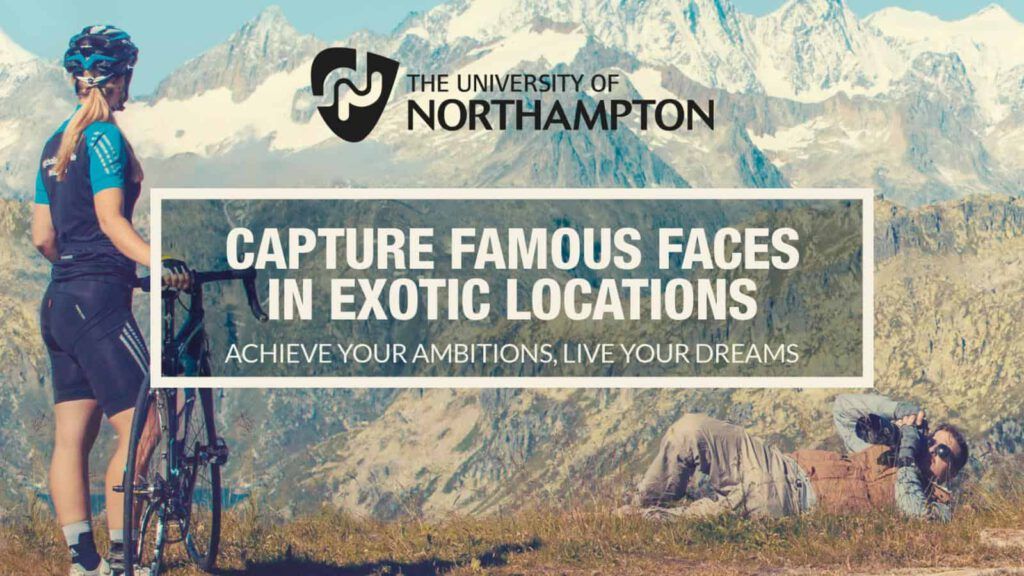
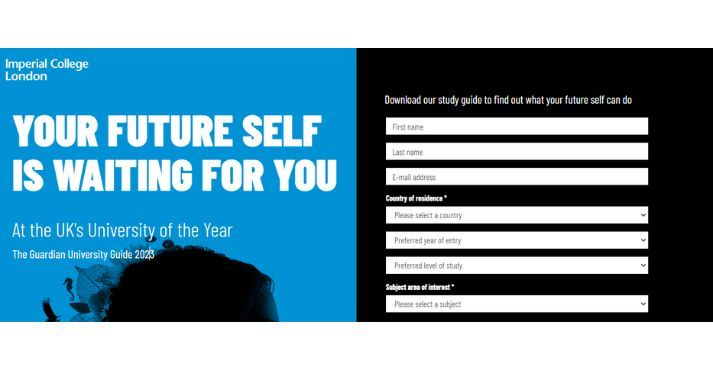
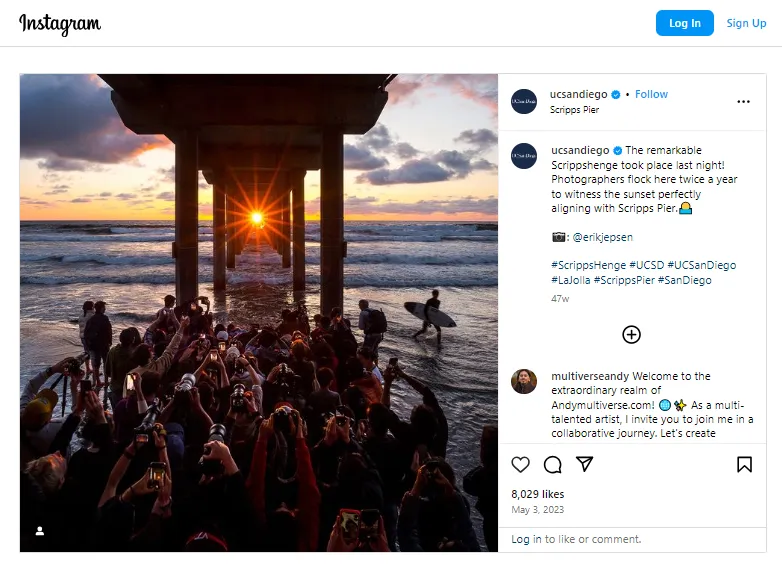
Here are Examples Worth Studying:


5 Ways Colleges Can Optimize their Social Media Presence
Be where your students actually are
Stop guessing. Find out which platforms your prospective students use – and show up there. TikTok for students, Facebook for parents, LinkedIn for alumni and postgrads. One size does not fit all – for example, run a weekly TikTok Q&A for students and a monthly Facebook Live for parents.
Let students do the talking
Your admissions office is not your most convincing voice – your current students are. Student takeovers, day‑in‑the‑life Reels, and campus ambassador accounts build the kind of trust that no polished ad campaign ever will – for example, hand your Instagram Stories to a different student ambassador every Friday.
Treat hashtags like keywords, not decoration
The right hashtag puts your content in front of people who are already searching for it. Research what prospective students and parents are actually looking for – then use those terms consistently – for example, build a small set of core hashtags around your programs, city, and outcomes and reuse them on specific posts.
Post like a human, not a press office
Authentic beats perfect every time. Behind‑the‑scenes content, honest answers to common questions, even the occasional blooper – these get shared. Glossy promo videos do not – for example, share a quick selfie‑style clip from the cafeteria, from lectures, and from excursions instead of posting the official campus tour video.
Every post needs somewhere to go
Social media is the front door. Make sure it opens onto something useful. A slow website, a broken link, or a page that buries the program information kills the momentum you just built. Every click should land somewhere that moves a student closer to applying – for example, link directly to a scannable, downloadable program page or ‘How to apply’ checklist, not your generic homepage.
The New SEO: Show Up Everywhere, Not Just Google
Here is something that has changed in just the last year or two. Traditional SEO is no longer enough on its own. The new goal is “Search Everywhere Optimization” – making sure your school shows up in AI-generated answers, on TikTok, on Reddit, on voice assistants, and anywhere else a student might ask a question.
Today the #1 spot on Google matters less than being the answer that shows up wherever the student is already looking.
AI search tools now give students clear explanations and direct recommendations instead of long lists of links. If your school is not part of those answers, you are invisible at a key moment.
“A well-rounded strategy uses both digital and traditional channels to increase reach and impact. Social media, search, and digital ads are powerful, but traditional methods still add value.” https://be-media.com.pl/en/news/9-best-marketing-campaigns-for-universities.html
What Happens After the Scroll
Social media brings students to your door. Your website has to get them to stay. Schools that still rely on static pages and old-style promotional messaging are falling behind. Students expect clear information about costs, programs, and what comes after graduation. Every click from social should go somewhere useful.
How do you get students interested in your school? The basic answer has not changed – show up on social media and show up in search results – but how you do it keeps evolving. The schools that win are the ones that treat student recruitment like the serious marketing effort it truly is.
Start by fixing the pages that matter most after a click: your program detail pages, cost and financial‑aid information, and clear outcomes/employability pages that show what graduates actually do next.
“For schools what’s very important, and that’s changed over the last few years, is that the traditional school building and school year, in many aspect, no longer exists. If you’re looking at an online course, you can start any time. If you want to take a business course at work, you can start the program pretty much when you like.”